Professional Jewellery Photography London | Complete Guide for Jewellery Brands

Updated: Mar 10

Capture the Sparkle, Craftsmanship & Story Behind Every Piece
Jewellery is not just an accessory; it's a statement, a story, a piece of wearable art. Capturing this essence—the brilliance of gemstones, the lustre of precious metals, the craftsmanship of intricate settings—is both the challenge and the beauty of professional jewellery photography. For jewellery London brands competing in today's crowded marketplace, exceptional photography isn't optional; it's the difference between scrolling past and stopping to admire.
Unlike standard product photography that simply documents objects, jewellery photography delves deep into the intricacies of each piece. It's about making diamonds dance with light, showcasing the warm glow of gold, revealing the fire within gemstones, and telling the story of craftsmanship and luxury that justifies investment in fine jewellery.
Why Jewellery Photography London is Uniquely Challenging
The Technical Complexities of Photographing Jewellery
Jewellery presents some of the most demanding technical challenges in product photography. Small scale, reflective surfaces, transparent gemstones, and intricate details all require specialized expertise.
Unique challenges of jewellery photography:
Reflective Metal Surfaces Gold, silver, platinum, and other metals act as mirrors, reflecting everything around them including cameras, lights, and photographers. Controlling these reflections while maintaining metal lustre requires advanced lighting techniques and post-production expertise.
Transparent and Refractive Gemstones Diamonds, sapphires, emeralds, and other gemstones refract light in complex ways. Capturing their fire, brilliance, and color requires understanding how light interacts with different cuts and gem types.
Extreme Detail Requirements Jewellery photography demands macro-level detail. Customers need to see setting quality, metal finish, gemstone clarity, hallmarks, and craftsmanship—requiring specialized macro lenses and high-resolution capture.
Scale and Size Perception Jewellery is small, making it challenging to communicate actual size and proportions. Photography must provide clear scale references while maintaining visual impact.
Multiple Material Types in Single Pieces A single piece might combine gold, diamonds, colored gemstones, and textured metals—each requiring different lighting and exposure. Balancing these elements in one photograph requires technical mastery.
Sparkle and Fire Capture The scintillation and fire that make gemstones valuable are difficult to capture in still photography. Specialized lighting angles and techniques reveal these optical properties.
Essential Jewellery Photography Styles
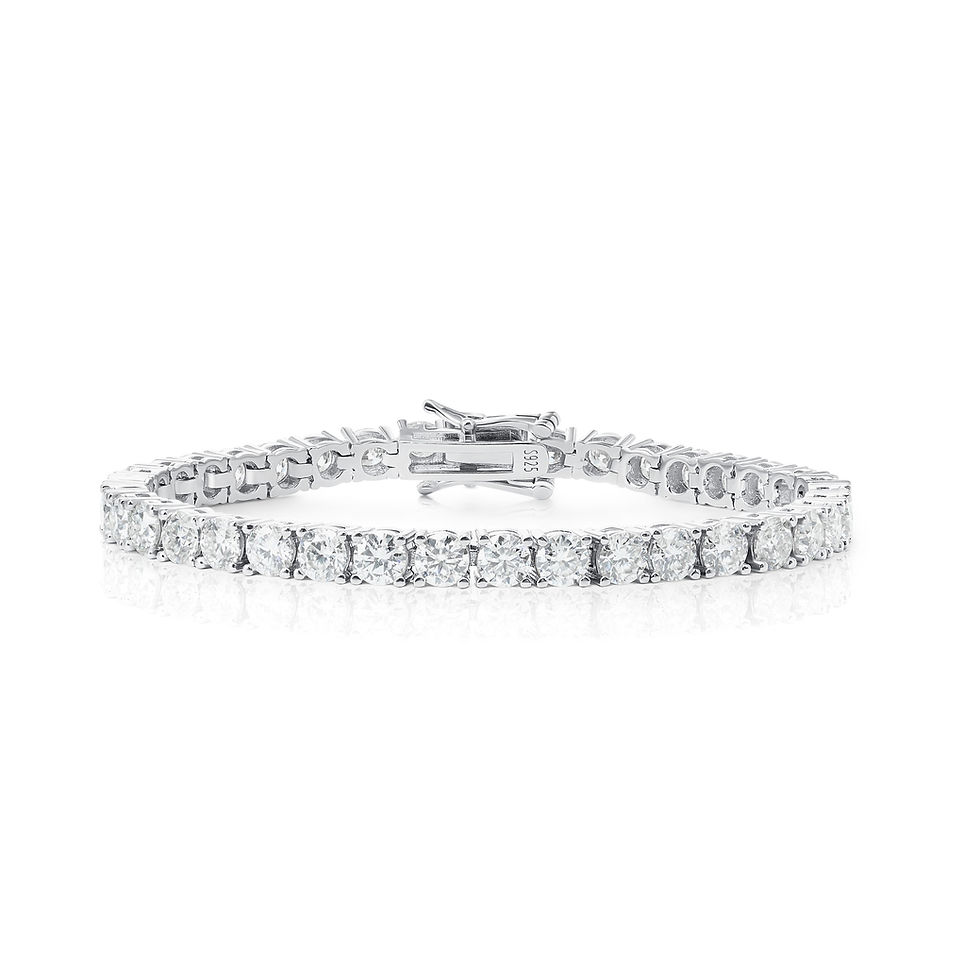
White Background Jewellery Photography
Marketplace-ready product shots showcasing every detail
Clean white background jewellery photography is essential for e-commerce platforms, particularly Amazon, eBay, Etsy, and online jewellery retailers. These shots provide crystal-clear views of design, materials, and craftsmanship.
What's included:
Pure white background (RGB 255, 255, 255)
Multiple angles (front, side, top, back)
Macro detail shots showing settings and craftsmanship
Gemstone clarity and sparkle capture
True metal color representation
Size and scale references
High-resolution for extreme zoom
Amazon and marketplace compliant
Perfect for:
Amazon Handmade and jewellery listings
E-commerce product pages
Catalogue photography
Wholesale presentations
Insurance documentation
Product comparison pages
Technical requirements:
Minimum 2000px resolution
Color-accurate metal representation
Dust and fingerprint-free presentation
Consistent lighting across collection
Professional clipping paths

Lifestyle Jewellery Photography
Jewellery worn and styled in aspirational contexts
Lifestyle photography shows jewellery being worn in real-world scenarios—from everyday elegance to special occasions. This style helps customers visualize themselves wearing the pieces and creates emotional connections.
Setting examples:
Engagement rings: Proposal moments, romantic settings, hand-in-hand couples
Fine jewellery: Luxury lifestyle scenes, elegant events, sophisticated settings
Fashion jewellery: Street style, casual chic, everyday wear
Bridal jewellery: Wedding preparations, ceremony moments, bridal portraits
Gift occasions: Mother's Day, Valentine's Day, anniversaries, celebrations
What's included:
On-model jewellery photography
Hand modeling for rings and bracelets
Lifestyle settings and contexts
Styled flat lay compositions
Occasion-based scenarios
Natural and studio lighting
Multiple jewellery styling options
Perfect for:
Social media content (Instagram, Pinterest)
Brand storytelling and campaigns
Gift marketing and occasions
Bridal and wedding collections
Influencer collaborations

Macro Detail Jewellery Photography
Extreme close-ups revealing quality and craftsmanship
Macro photography captures the minute details that communicate quality and justify pricing: the precision of settings, the quality of metalwork, the clarity of gemstones, and the excellence of craftsmanship.
Detail photography captures:
Diamond and gemstone cuts (brilliant, princess, emerald, etc.)
Setting types (prong, bezel, pave, channel)
Metal finish and texture (polished, brushed, hammered)
Engraving and personalization
Hallmarks and maker's marks
Stone quality and clarity
Intricate filigree or patterns
Clasp and closure mechanisms
Perfect for:
Luxury jewellery brands
Custom and bespoke pieces
High-value items requiring quality communication
Educational content about craftsmanship
Product detail galleries
Differentiating from competitors
Jewellery on Model Photography
Professional model photography showing scale and styling
Full model photography shows jewellery worn on professional models, demonstrating how pieces look when styled and providing clear scale and proportion understanding.
Model photography types:
Portrait photography: Necklaces, earrings, facial jewellery
Hand modeling: Rings, bracelets, watches
Full-body modeling: Complete jewellery styling and outfits
Lifestyle modeling: Real-world scenarios and contexts
Editorial photography: Magazine-style artistic imagery
Styling considerations:
Clothing that complements without competing
Hair and makeup enhancing jewellery visibility
Skin tones showcasing metal colors effectively
Multiple angles showing different perspectives
Natural and expressive poses
Perfect for:
High-end jewellery brands
Seasonal collections and lookbooks
Magazine and editorial features
Premium brand positioning
Social media campaigns
Flat Lay Jewellery Photography
Styled compositions showing collections and gift sets
Flat lay photography arranges jewellery artistically from above, creating beautiful compositions perfect for social media, gift marketing, and collection showcases.
Flat lay styles:
Minimalist: Single piece on clean background
Styled: Jewellery with complementary props
Collection: Multiple pieces arranged cohesively
Gift presentation: Jewellery with packaging and gift elements
Seasonal: Holiday and occasion-themed styling
Props and styling elements:
Luxury textiles (silk, velvet, linen)
Natural elements (flowers, branches, stones)
Vintage and antique items
Books and paper ephemera
Seasonal decorations
Gemstones and raw materials
Perfect for:
Instagram and Pinterest content
Gift guides and seasonal marketing
Collection announcements
Brand aesthetic development
E-commerce category pages
Jewellery Photography by Type
Engagement Ring Photography
Capturing life's most meaningful purchase
Engagement ring photography requires special attention to romance, symbolism, and the emotional significance of the purchase. These images must capture both technical excellence and emotional resonance.
Essential engagement ring shots:
Hero shot showing diamond brilliance
Profile view showing setting height
Detail shot of setting and prongs
Hand modeling showing scale and fit
Lifestyle moment (proposal, hand-in-hand)
Multiple angles for complete view
Close-up of diamond fire and scintillation
Comparison with wedding band (if relevant)
Technical considerations:
Maximum diamond sparkle and fire
True diamond color representation
Setting security and quality visibility
Size perception accuracy
Ring size reference
Metal color accuracy (white gold, yellow gold, rose gold, platinum)
Marketing applications:
E-commerce product pages
Social media engagement announcements
Bridal marketing campaigns
Proposal inspiration content
Valentine's Day and holiday campaigns
Wedding & Bridal Jewellery Photography
Documenting pieces for the most important day
Bridal jewellery photography emphasizes elegance, tradition, and the special nature of wedding pieces—from bridal sets to gifts for bridesmaids.
Bridal photography styles:
Wedding ring set photography (engagement + wedding band)
Bridal earring and necklace sets
Mother-of-the-bride and special occasion pieces
Bridesmaid gift jewellery
Something old, something new styling
Wedding morning preparation moments
Seasonal considerations:
Spring wedding fresh and light aesthetics
Summer wedding bright and joyful tones
Autumn wedding warm and romantic feel
Winter wedding elegant and sophisticated
Fine Jewellery Photography
Luxury pieces requiring premium presentation
Fine jewellery photography for high-value pieces communicates luxury, exclusivity, and investment quality through sophisticated styling and impeccable technical execution.
Fine jewellery categories:
Diamond jewellery (necklaces, bracelets, earrings)
Precious gemstone pieces (sapphires, rubies, emeralds)
Designer and signature collections
Estate and vintage jewellery
Investment-grade pieces
Bespoke and custom creations
Photography approach:
Museum-quality presentation
Dramatic, editorial lighting
Premium props and styling
Black backgrounds for drama
Artistic and creative compositions
Emphasis on exclusivity and rarity
Marketing positioning:
Luxury brand storytelling
Investment value communication
Heritage and craftsmanship focus
Editorial and magazine placement
High-net-worth customer targeting
Fashion Jewellery Photography
Trend-forward pieces for style-conscious customers
Fashion jewellery photography emphasizes style, trends, versatility, and affordability while maintaining aspirational quality.
Fashion jewellery styles:
Statement necklaces and bold pieces
Layering and stacking jewellery
Trend-driven designs
Costume and occasion jewellery
Everyday staple pieces
Seasonal collections
Photography approach:
Vibrant, energetic styling
On-trend props and backgrounds
Street style and casual wear
Multiple styling options shown
Color and pattern mixing
Accessible, relatable presentation
Target platforms:
Instagram and TikTok content
Fast fashion e-commerce
Seasonal trend campaigns
Influencer collaborations
Gift and occasion marketing
Handmade & Artisan Jewellery Photography
Authentic imagery showcasing unique craftsmanship
Handmade jewellery photography emphasizes the human element, artisan quality, and unique characteristics of one-of-a-kind pieces.
Artisan jewellery photography elements:
Crafting process and behind-the-scenes
Artisan hands working on pieces
Tools and materials
Textured, organic presentations
Natural and authentic styling
Imperfections as character features
Story-driven imagery
Platform focus:
Etsy and artisan marketplaces
Craft fair and market promotion
Small batch collection launches
Made-to-order commissions
Sustainable and ethical marketing
Technical Mastery in Jewellery Photography
Lighting Techniques for Jewellery
Diffused Lighting for Even Illumination Soft, diffused lighting eliminates harsh reflections while maintaining metal lustre and gemstone brilliance. Large softboxes and diffusion materials create flattering, even light.
Tent Lighting for Reflective Surfaces Light tents surround jewellery with 360-degree diffused light, minimizing unwanted reflections while maintaining sparkle and detail visibility.
Backlighting for Transparent Gemstones Placing light behind or underneath gemstones reveals their transparency, color saturation, and internal characteristics—particularly effective for diamonds and colored stones.
Directional Lighting for Texture Angled, directional light reveals texture in hammered metals, brushed finishes, and detailed engravings by creating subtle shadows that define surface characteristics.
Multiple Light Setup for Complex Pieces Combining main light, fill light, rim light, and accent lighting provides complete illumination of complex pieces with multiple materials and surfaces.
Light Temperature Considerations Consistent color temperature (typically 5500K daylight-balanced) ensures accurate metal color representation—critical for distinguishing white gold, yellow gold, and rose gold.
Camera Equipment and Settings
Macro Lenses for Detail 100mm or 105mm macro lenses enable extreme close-up photography revealing minute details invisible to the naked eye.
High-Resolution Cameras 45+ megapixel cameras capture detail necessary for large prints, extreme cropping, and zoom functionality on e-commerce sites.
Tripod Stability Rock-solid tripods eliminate camera shake during long exposures and ensure sharpness in macro photography where depth of field is minimal.
Focus Stacking for Maximum Sharpness Multiple exposures at different focus points combined in post-production create images sharp from front to back despite shallow depth of field.
Aperture for Depth of Field f/8 to f/16 provides sufficient depth of field for most jewellery while maintaining sharpness and detail throughout the piece.
Low ISO for Clean Images ISO 100-200 minimizes digital noise, critical when images will be heavily cropped or enlarged for detail inspection.
Post-Production and Retouching
Dust and Fingerprint Removal Meticulous cleaning of digital files removes every speck of dust, fingerprint, and imperfection for pristine presentation.
Reflection Control Selective removal of unwanted reflections while maintaining natural metal lustre and gemstone sparkle.
Color Accuracy Precise color correction ensuring gold appears gold, silver appears silver, and gemstones display true color—critical for customer satisfaction and return prevention.
Background Cleanup Perfect white backgrounds (RGB 255, 255, 255) or complete background removal with professional clipping paths.
Metal Enhancement Careful enhancement of metal shine and texture without creating artificial or over-processed appearance.
Gemstone Optimization Enhancement of natural gemstone fire and brilliance while maintaining realistic, accurate representation.
Consistency Across Collection Batch processing and careful editing ensures uniform appearance across entire jewellery range.
Jewellery Photography for Different Metals
Gold Jewellery Photography
Capturing the warm glow and luxury of gold
Gold jewellery requires careful color management to accurately represent the difference between yellow gold (24k, 18k, 14k), white gold, and rose gold.
Technical considerations:
Warm color temperature for yellow gold
Neutral temperature for white gold
Slightly warm for rose gold
Avoiding greenish or brassy casts
Showing karat differences when relevant
Maintaining rich, luxurious appearance
Lighting approach:
Soft, diffused light prevents harsh reflections
Slight warmth in lighting complements gold
Careful exposure prevents blown highlights
Multiple angles show dimensional quality
Silver & Platinum Jewellery Photography
Cool metals requiring precise technique
Silver and platinum photography demands careful exposure to maintain bright metal appearance while showing detail and texture.
Technical considerations:
Cool color temperature
Preventing overexposure and lost detail
Distinguishing silver from white gold and platinum
Showing polish and finish quality
Tarnish prevention in preparation
Texture visibility in brushed or matte finishes
Styling approaches:
Cool-toned backgrounds and props
Minimalist, modern aesthetic
Clean, contemporary presentation
Industrial or architectural elements
Mixed Metal Jewellery Photography
Balancing different metals in single pieces
Contemporary jewellery often combines gold, silver, and rose gold in single pieces, requiring balanced lighting and color management.
Technical challenges:
Balancing warm and cool tones
Maintaining color accuracy for all metals
Preventing color contamination between metals
Even exposure across different reflectivities
Jewellery Photography for Different Gemstones
Diamond Photography
Capturing fire, brilliance, and scintillation
Diamond photography is perhaps the most technically demanding, requiring specialized techniques to capture the optical properties that make diamonds valuable.
The 4 Cs in photography:
Cut: Show facet precision and light return
Color: Accurate representation from D to Z
Clarity: Visible inclusion transparency vs eye-clean appearance
Carat: Scale and size understanding
Lighting for diamonds:
Multiple light sources create scintillation
Strategic angles produce fire (colored light dispersion)
Proper exposure maintains detail in whites
Dark field lighting for dramatic contrast
Diamond cuts requiring different approaches:
Round brilliant: Classic lighting showing fire
Princess: Angular lighting highlighting corners
Emerald: Even lighting showing clarity
Cushion: Soft light revealing facet pattern
Colored Gemstone Photography
True color representation and brilliance
Sapphires, rubies, emeralds, and other colored stones require color-accurate photography that reveals their true hue, saturation, and transparency.
Color accuracy essentials:
Calibrated monitors and color management
Consistent lighting temperature
True-to-life representation preventing returns
Showing color variation in multi-stone pieces
Natural vs treated stone transparency
Gemstone-specific considerations:
Sapphires: Deep blue requires careful exposure
Rubies: Rich red without orange or purple casts
Emeralds: Vibrant green maintaining natural tone
Amethysts: Purple clarity and depth
Opals: Fire and play-of-color capture
Pearl Photography
Capturing lustre and orient
Pearl photography requires specific techniques to show lustre (surface shine) and orient (rainbow iridescence) that determine pearl quality and value.
Technical approach:
Soft, diffused lighting for lustre
Slight angle changes reveal orient
White background shows pearl color accurately
Careful exposure prevents loss of surface detail
Multiple shots showing different light angles
Jewellery Photography Pricing
Understanding Investment in Professional Jewellery Photography
Factors affecting jewellery photography pricing:
Number of pieces photographed
Complexity (simple studs vs elaborate necklaces)
Styling requirements (basic packshots vs elaborate lifestyle)
Metal types (reflective challenges)
Gemstone photography complexity
Number of angles and shots per piece
Lifestyle, model, or flat lay inclusion
Post-production detail work
Usage rights and licensing
Typical Jewellery Photography Packages
Starter Jewellery Package
10 pieces photographed
3-4 angles per piece
White background packshots
Basic macro details
High-resolution edited images
From £450
Professional Jewellery Package
20 pieces photographed
4-5 angles per piece
White background + styled shots
Comprehensive macro details
Lifestyle flat lay options
From £850
Premium Collection Package
30+ pieces photographed
Complete angle coverage
White background, styled, and lifestyle
On-model photography options
Campaign and editorial styles
Video content available
Custom pricing - Contact us
Jewellery Photography Best Practices
Pre-Production Preparation
Jewellery Cleaning and Preparation
Professional cleaning before photography
Dust and fingerprint removal
Polish restoration if needed
Secure stone settings check
Straighten chains and findings
Styling Planning
Develop mood boards aligned with brand
Source props complementing pieces
Plan backgrounds and surfaces
Consider seasonal and occasion themes
Prepare model styling if applicable
Shot List Development
Essential angles for each piece type
Detail shots highlighting quality
Lifestyle scenarios
Seasonal or campaign-specific needs
Size reference and comparison shots
During Photography Session
Handling Jewellery Safely
Clean hands or cotton gloves
Secure working surface
Organized storage during shoot
Careful positioning and movement
Insurance and security considerations
Maximizing Efficiency
Group similar pieces for workflow
Batch similar lighting setups
Consistent styling within categories
Multiple shots per setup
Comprehensive coverage avoiding reshoots
Post-Production Excellence
Quality Control Checks
Color accuracy verification
Detail sharpness inspection
Consistent editing across collection
Proper file naming and organization
Multiple size exports for different uses
Jewellery Photography for Different Sales Channels
Amazon Jewellery Photography
Marketplace compliance and conversion optimization
Amazon main image requirements:
Pure white background (RGB 255, 255, 255)
Jewellery fills 85% of frame
Minimum 1600 pixels (recommend 2500+)
No text, logos, or watermarks
JPEG format
Clear, well-lit, in-focus
Additional image strategy:
Images 2-4: Multiple angles showing all sides
Images 5-6: Macro details (setting, clasp, hallmarks)
Images 7-8: Scale reference, lifestyle, or on-model
Image 9: Infographic (dimensions, materials, features)
Amazon-specific tips:
Extreme detail for zoom functionality
Size comparison objects (coin, ruler)
Metal and gemstone clarity
Packaging if relevant
Gift presentation for occasions
Etsy Jewellery Photography
Artisan marketplace optimization
Etsy image strategy:
First image most critical (search thumbnail)
Show craftsmanship and handmade quality
Lifestyle and styled shots perform well
Behind-the-scenes process images
Packaging and presentation
All 10 image slots utilized
Video recommended (up to 15 seconds)
Standing out on Etsy:
Unique styling reflecting artisan quality
Natural, authentic aesthetic
Story-driven imagery
Seasonal and timely content
Props showing handmade nature
Instagram Jewellery Photography
Social media engagement and brand building
Instagram content strategy:
Feed: Curated, cohesive aesthetic
Stories: Behind-the-scenes, process, arrivals
Reels: Try-ons, styling, sparkle videos
Shopping tags for direct sales
User-generated content reposts
Engagement optimization:
Lifestyle and aspirational imagery
Flat lays and styled compositions
Close-ups showing sparkle and detail
Consistent color palette and editing
Seasonal and occasion-based content
Website Jewellery Photography
Comprehensive product galleries
Product page strategy:
8-15 images per piece minimum
Hero image: Best angle, maximum impact
Multiple angles: 360-degree understanding
Macro details: Quality and craftsmanship
Lifestyle: Context and scale
Comparison: Size reference, styling options
Video: Movement, sparkle, 360-degree spin
Homepage and collection pages:
Hero lifestyle imagery
Collection-defining shots
Seasonal campaign content
Brand storytelling moments
Category navigation imagery
Common Jewellery Photography Mistakes
Technical Mistakes to Avoid
❌ Dirty or fingerprinted jewellery Visible dust, fingerprints, or smudges ruin professional appearance.
✅ Solution: Thorough cleaning before photography, handling with gloves, frequent checking during session.
❌ Poor focus and sharpness Blurry images fail to show detail and quality.
✅ Solution: Tripod use, proper focus technique, focus stacking when needed, adequate depth of field.
❌ Inaccurate metal colors Gold appearing greenish, silver looking yellow, or white gold seeming cream.
✅ Solution: Proper white balance, color calibration, professional color correction in post-production.
❌ Overexposed highlights Blown-out highlights on metals lose detail and dimension.
✅ Solution: Careful exposure management, highlight protection, graduated exposure when needed.
❌ Lack of sparkle in gemstones Diamonds and gems appearing dull and lifeless.
✅ Solution: Strategic lighting angles, multiple light sources, proper exposure for brilliance.
Styling and Composition Mistakes
❌ Inconsistent backgrounds across collection Varying background colors create unprofessional appearance.
✅ Solution: Standardized backgrounds (pure white for e-commerce), consistent styling approach.
❌ Props overwhelming jewellery Excessive or distracting props that compete with product.
✅ Solution: Minimal, complementary props; jewellery always remains hero.
❌ Poor scale communication No understanding of actual jewellery size.
✅ Solution: Include scale references, hand modeling, comparison objects, dimension information.
❌ Unflattering angles Poor angles that don't showcase jewellery's best features.
✅ Solution: Multiple test angles, understanding each piece's optimal presentation, comprehensive coverage.
Frequently Asked Questions
How do you photograph jewellery to make it sparkle? Use multiple light sources at strategic angles, employ backlighting for transparent gems, use slightly directional light to create facet definition, and ensure proper exposure that maintains highlight detail while showing fire and brilliance.
What's the best lighting for jewellery photography? Soft, diffused lighting from large softboxes combined with strategic accent lighting works best. Tent lighting minimizes reflections on metals while maintaining sparkle. Specific setups vary by metal type, gemstones, and desired effect.
How do you photograph reflective jewellery without seeing the camera? Use light tents or diffusion materials surrounding the jewellery, employ longer focal length lenses increasing distance, photograph at strategic angles, and remove remaining unwanted reflections in post-production while maintaining natural metal lustre.
What background is best for jewellery photography? White (RGB 255, 255, 255) for e-commerce and marketplaces. Black for dramatic, luxury presentation. Gray for neutral, editorial style. The background choice depends on platform, brand positioning, and metal type.
How do you make jewellery look expensive in photos? Use professional lighting revealing quality, employ premium props and styling, maintain perfect technical execution (sharpness, color, exposure), create luxury aesthetic through composition, and ensure flawless post-production cleaning and enhancement.
Should I use a model for jewellery photography? Yes, for lifestyle and aspirational marketing. Models provide scale understanding, show how pieces are worn, create emotional connections, and help customers visualize themselves wearing the jewellery. However, clean packshots remain essential for e-commerce.
How many images should I have per jewellery piece? Minimum 8-10 for e-commerce: white background hero shot, 3-4 angle packshots, 2-3 macro details, 1-2 lifestyle or on-model shots, size reference. More comprehensive galleries (15+ images) increase confidence and conversion.
Can you photograph jewellery with a smartphone? Basic images are possible with good lighting and smartphone macro capabilities, but professional jewellery photography requires specialized equipment: macro lenses for detail, professional lighting for sparkle control, high-resolution sensors for zoom functionality, and expert post-production.
How do you photograph diamonds accurately? Use multiple light sources creating scintillation, strategic angles producing fire, proper exposure maintaining detail, dark or black backgrounds creating contrast, and focus stacking ensuring complete sharpness despite shallow depth of field.
What's the difference between photographing gold and silver jewellery? Gold requires warmer color temperature and careful avoidance of greenish casts; silver needs cool temperature and careful highlight management preventing overexposure. White gold sits between, requiring neutral temperature distinguishing it from both yellow gold and platinum.
Get Professional Jewellery Photography
Ready to showcase your jewellery collection with professional photography that captures every sparkle, reveals every detail, and tells the story of craftsmanship and luxury? Let's create imagery that makes your pieces irresistible.
Contact Information
Email: elenkekina1@gmail.comLocation: London, United KingdomSpecialization: Fine jewellery photography, engagement rings, luxury pieces
What to Include in Your Enquiry:
Your jewellery brand and collection
Number of pieces needing photography
Jewellery types (rings, necklaces, bracelets, etc.)
Metals and gemstones involved
Desired photography style (luxury, artisan, fashion)
Usage platforms (Amazon, Etsy, website, Instagram)
Timeline and budget
Conclusion: The Art and Science of Jewellery Photography
In conclusion, jewellery photography is both art and science—an intricate craft requiring keen eyes for detail, deep understanding of materials and optics, mastery of complex lighting, and appreciation for the stories each piece tells. Every piece of jewellery, whether it's a diamond engagement ring, a simple silver band, or an elaborate gemstone necklace, has a unique narrative to convey through imagery.
By mastering the technical challenges of reflective surfaces, transparent gemstones, and intricate details, while simultaneously developing creative approaches to styling and storytelling, jewellery photographers transform precious metals and stones into captivating visual narratives. Professional jewellery photography doesn't just make pieces look good—it communicates value, reveals craftsmanship, builds desire, and ultimately drives purchasing decisions in the competitive world of fine jewellery e-commerce.
For jewellery brands committed to excellence, professional photography is not an expense—it's an investment that pays dividends through increased conversions, reduced returns, premium positioning, and brand recognition that truly makes every gem shine.


Comments